Attention
Attention tests measure two things: how quickly you can find a target in clutter, and how well you can hold back a faster, more automatic response. They do not ask whether you feel focused -- they give you a task that requires it and put a number on the result.
Attention3 games
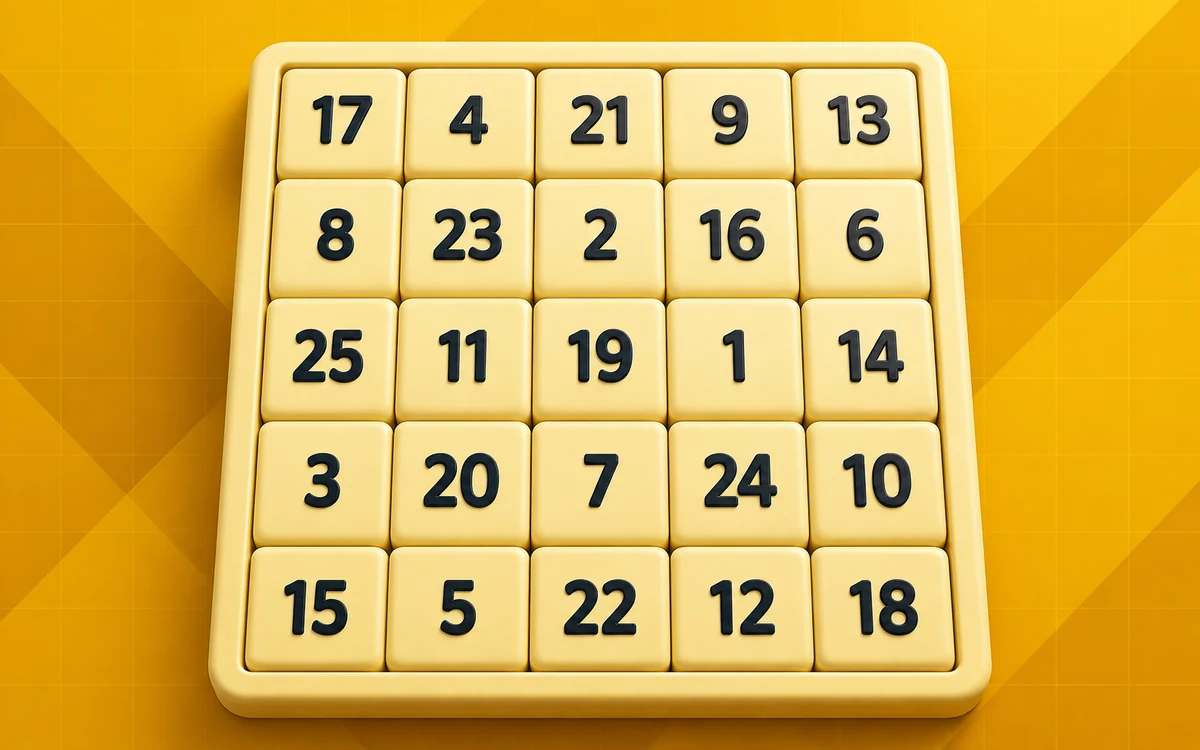
 AttentionSchulte TableTap 1 to 25 in order on a shuffled grid and read your time in seconds.PlayAbout 40s
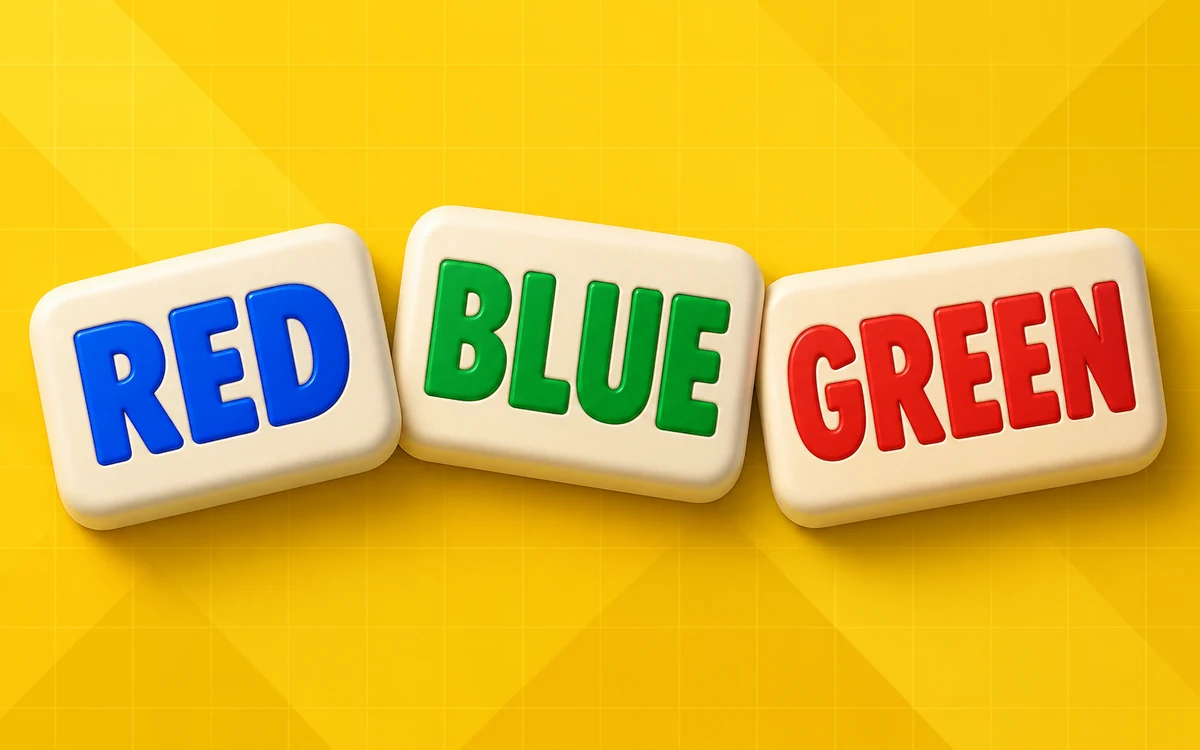
 AttentionStroop TestName the ink, ignore the word. 20 scored trials, and your time on the mismatched ones.PlayAbout 60s
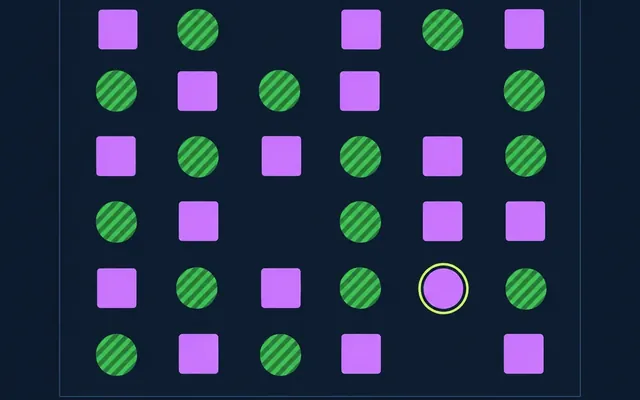 AttentionVisual Search TestFind the matching shape across 24 displays. Your score is your average search time in milliseconds, and lower is better.PlayAbout a minute
What these attention tests measure
Two different abilities live in this category: locating a target quickly in a cluttered field, and suppressing a response that is faster and more automatic than the one you want. The Schulte table measures the first, the Stroop test the second.
They do not stand in for each other. People who clear the grid quickly can still make errors on Stroop trials -- fast search and strong inhibition are separate abilities. That is why this category keeps two tests rather than reporting one attention score, which would average the distinction away.
On Schulte table times
There is no citable published norm for Schulte table completion times. The age-versus-seconds charts circulating online are reposted between blogs and tool sites without naming a study, a sample size or the testing conditions they came from.
The Schulte table is a practice and self-check tool, not a normed clinical attention scale, so this site does not publish an age chart. What it gives you instead is your own history: same person, same 5x5 grid, same device, how many seconds faster than last week. That is the comparison the test can actually support.
How to read your score
The Schulte table is scored on completion time, lower being better. The Stroop test is scored on the extra time incongruent trials cost you compared with congruent ones -- the interference effect -- also lower being better. Read them separately.
Almost everybody shows Stroop interference, which is the most famous thing about it. It has been among the most reproducible effects in psychology since Stroop reported it in 1935. Being unable to stop yourself reading the word is not a sign of poor concentration.
FAQ
What is a good Schulte table time
How does the Schulte table work
Does the Schulte table improve concentration
What age can children use a Schulte table
What does the Stroop test measure
What is the Stroop effect
What is the difference between a 5x5 and a 7x7 Schulte table
Can an online test tell me if I have an attention problem
Your scores are stored in this browser only. This site collects no personal data and never asks you to sign up.