Spatial
Spatial tests measure whether you can rotate, fold and move a shape in your head instead of physically trying it. Reading a plan, assembling something, judging which way to turn and the solid-figure questions on aptitude exams all draw on it.
Spatial3 games
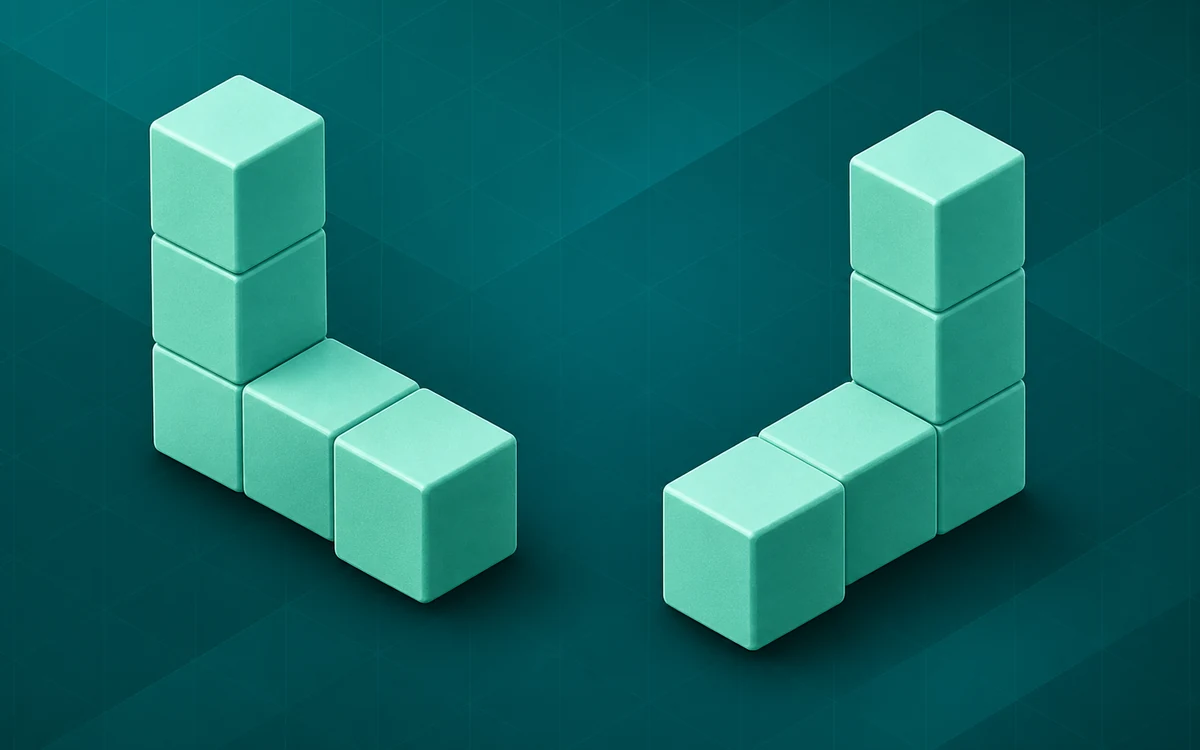
 SpatialMental Rotation TestTwo block figures at different angles: same object turned, or mirror images? 18 items.PlayAbout 1-2 min
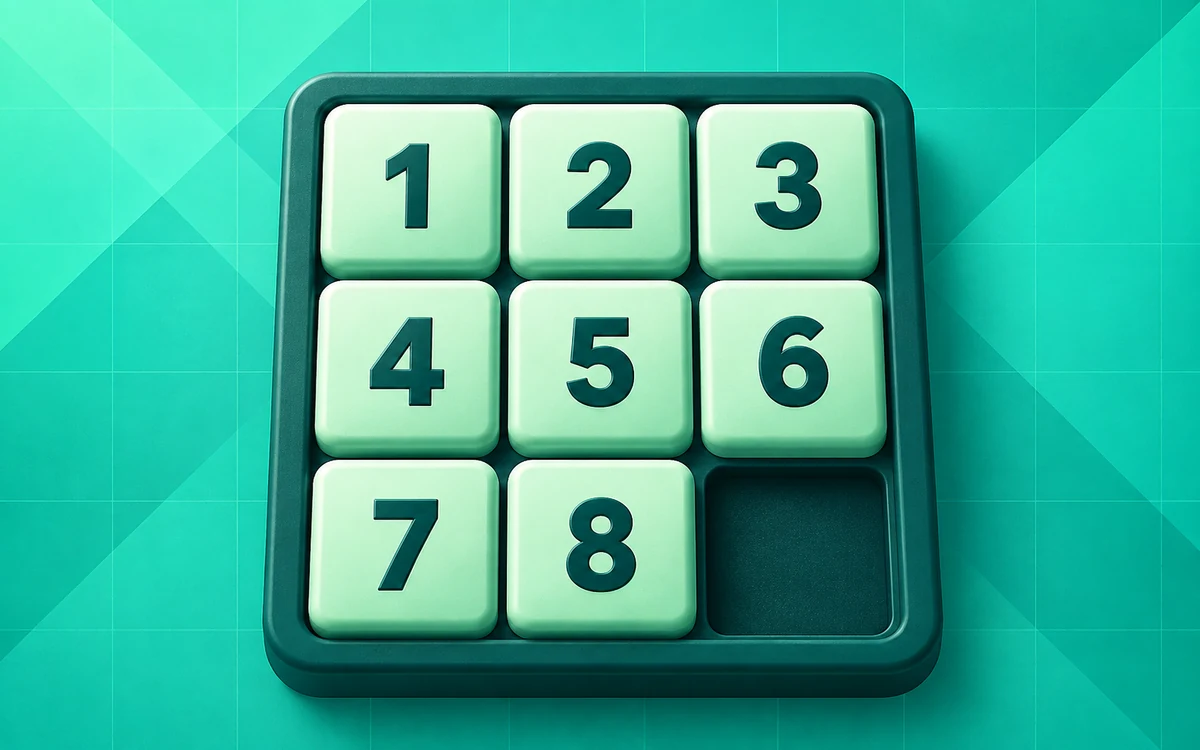
 SpatialSliding PuzzlePlay three 3x3 boards by sliding tiles 1 to 8 into order. Lower move totals are better, and every score is compared with the exact 42-move minimum.PlayAbout 2-3 min
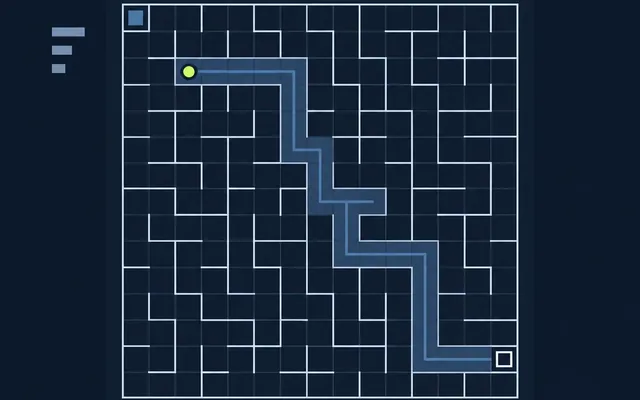 SpatialOnline Maze GameSolve a 15x15 maze online and test your path efficiency. Lower is better: 1.00 means you reached the exit with no extra steps.PlayAbout 1-2 min
What these spatial tests measure
This category measures mental imagery in motion: rotating, folding or translating a figure in your head and judging the result. It has a property the other categories lack -- the time it takes can be measured directly, and it scales with how far you have to turn the figure.
Shepard and Metzler put a number on that in Science in 1971. Deciding whether two solid figures are the same object took a time that rose linearly with the angle between them, working out to roughly 60 degrees per second: about a second at zero degrees, four to six seconds at 180. The same curve shows up in your own results.
Who takes these tests
Three groups: people preparing for aptitude exams, where mental rotation and solid-figure items are a standard question type; people who design, assemble or read technical drawings; and people who want to know how bad their sense of direction really is.
Worth being clear about the last one: this category measures figure manipulation, which is not the same as navigating. Finding your way also involves remembering landmarks and building a map-like representation of a place. The two are related but not interchangeable.
This is the one category where training clearly transfers
Of the five categories on this site, spatial skill has by far the strongest training evidence. The Uttal et al. meta-analysis in Psychological Bulletin (2013) pooled 206 training studies and found an average effect of Hedges's g = 0.47, with gains that transferred to spatial tasks that had not been trained and held up at delayed testing.
That is the opposite of the picture for memory and attention training, where transfer evidence has stayed weak. So this site says practice pays off in this category, and does not say it in the others -- the difference is what the evidence supports, not what sounds encouraging.
FAQ
How is spatial reasoning tested
What is the mental rotation test
Can spatial reasoning be improved
How do you solve mental rotation questions faster
What is the minimum number of moves to solve a sliding puzzle
Can every sliding puzzle be solved
Is spatial ability the same as sense of direction
Is there a gender difference in mental rotation
Your scores are stored in this browser only. This site collects no personal data and never asks you to sign up.