Brain training games
Play a few rounds a day, keep your brain moving
Test and train your brain with quick games.
All games15 games
 ReactionReaction Time TestWait for green, then press. See how quickly you react.PlayAbout 45s
 MemoryDigit Span TestDigits flash one at a time. Type them back in order and see how long a string you can hold.PlayAbout 60s
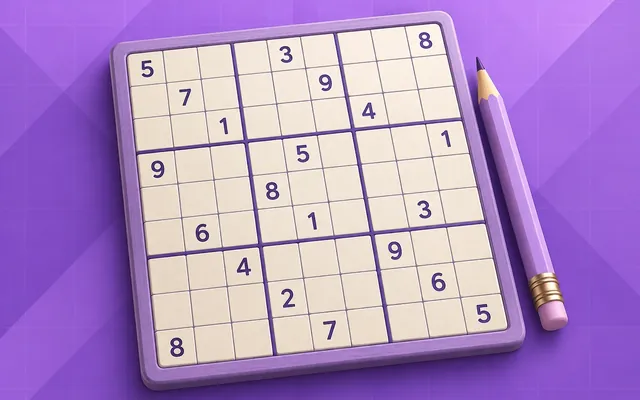 ThinkingSudokuMost of the grid is already filled. Finish the marked cells as fast as you can, and see what the clock says.PlayAbout 1 min
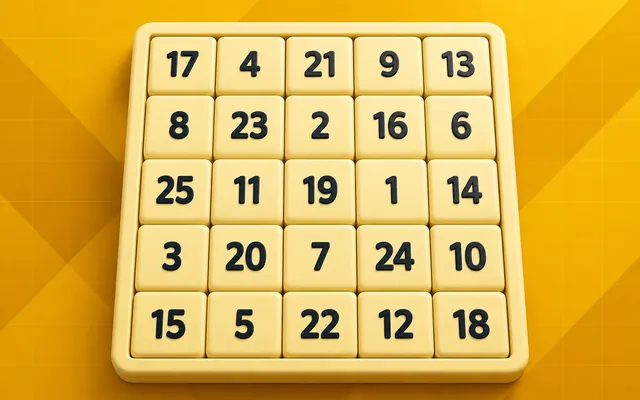 AttentionSchulte TableTap 1 to 25 in order on a shuffled grid and read your time in seconds.PlayAbout 40s
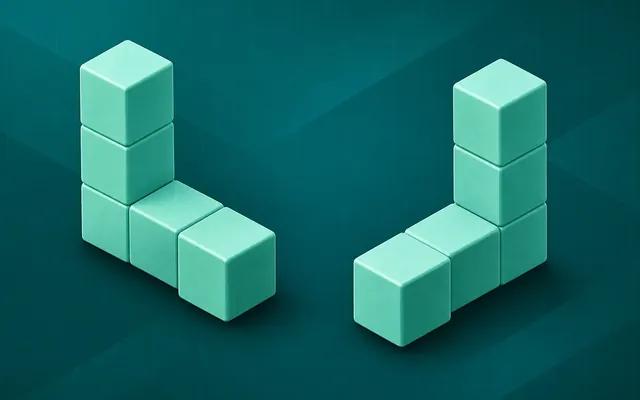 SpatialMental Rotation TestTwo block figures at different angles: same object turned, or mirror images? 18 items.PlayAbout 1-2 min
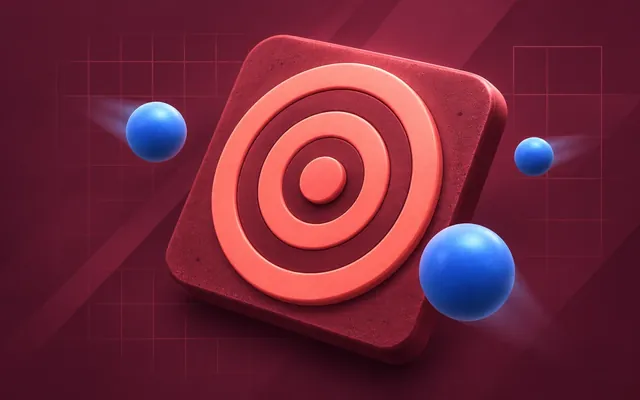 ReactionAim TrainerHit 30 targets as they jump around a fixed field and read your median time per target.PlayAbout 30s
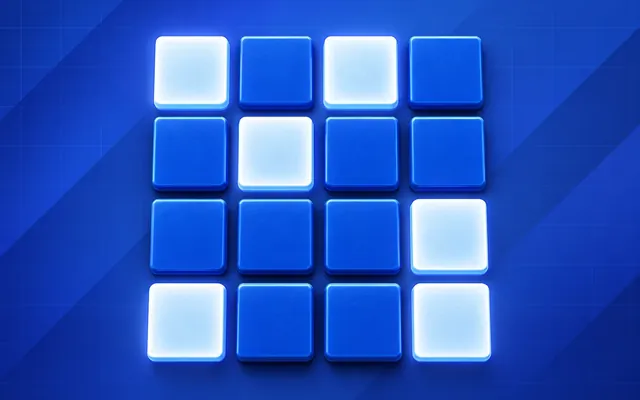 MemoryVisual Memory TestMemorize lit cells on a 5×5 grid, tap the same positions after they disappear, and compare your weighted visual memory span across completed tests.Play1-2 min
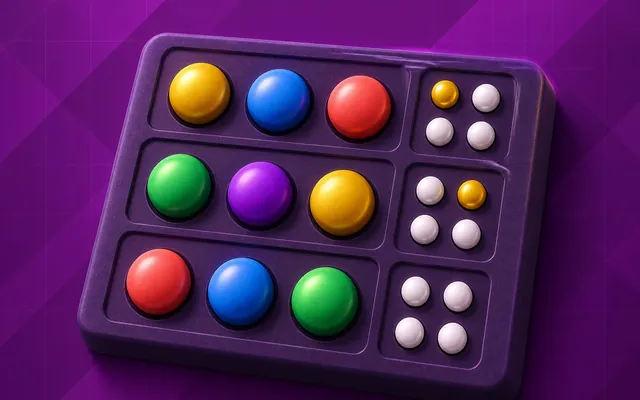 ThinkingCode BreakerGuess the hidden colour code. Every guess comes back with two numbers — how many pegs are exactly right, and how many are the right colour in the wrong place.PlayAbout 2 min
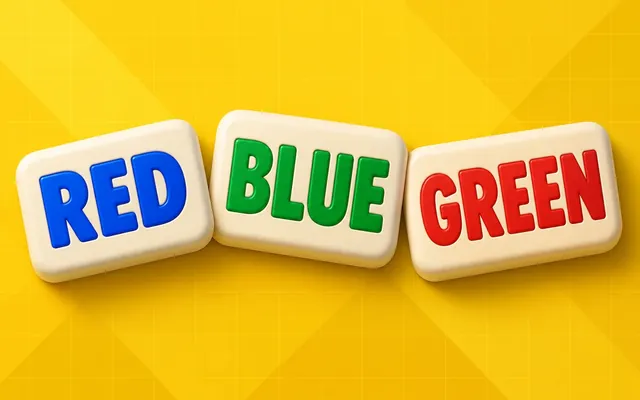 AttentionStroop TestName the ink, ignore the word. 20 scored trials, and your time on the mismatched ones.PlayAbout 60s
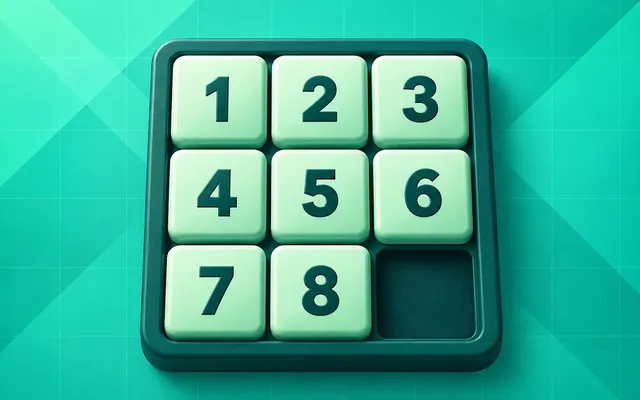 SpatialSliding PuzzlePlay three 3x3 boards by sliding tiles 1 to 8 into order. Lower move totals are better, and every score is compared with the exact 42-move minimum.PlayAbout 2-3 min
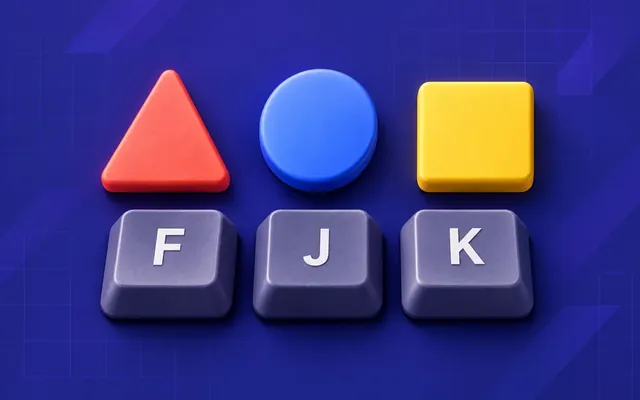 ReactionChoice Reaction Time TestFour shapes, four keys - press the one that matches.PlayAbout 45s
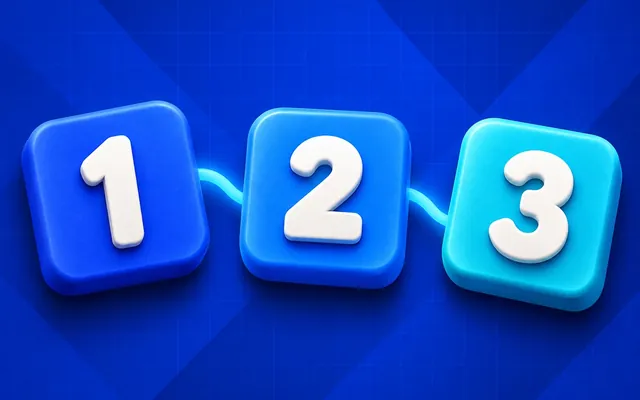 MemorySequence Memory TestSquares light up one at a time on a 4×4 grid. Tap them back in the same order and see how long a sequence you can reproduce.Play1-2 min
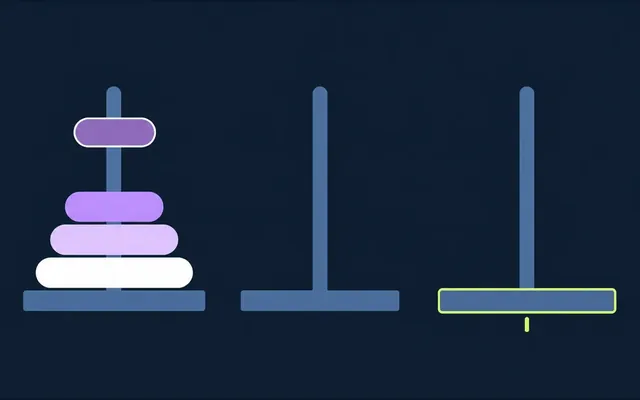 ThinkingTower of HanoiMove four disks to the right-hand peg, then compare your move count with the fixed 15-move shortest route.PlayAbout 1 min
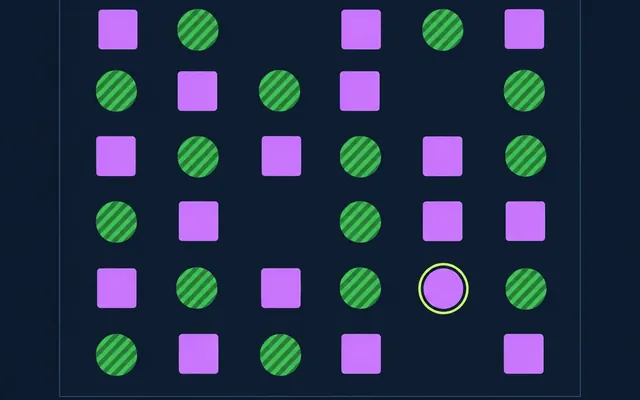 AttentionVisual Search TestFind the matching shape across 24 displays. Your score is your average search time in milliseconds, and lower is better.PlayAbout a minute
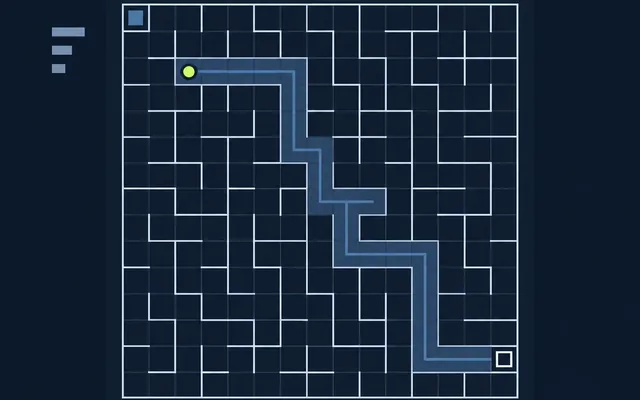 SpatialOnline Maze GameSolve a 15x15 maze online and test your path efficiency. Lower is better: 1.00 means you reached the exit with no extra steps.PlayAbout 1-2 min
FAQ
Do brain training games actually work
It depends which skill. Spatial training has the strongest evidence: the Uttal et al. meta-analysis of 206 studies (Psychological Bulletin, 2013) found an average effect of g = 0.47 with transfer to untrained spatial tasks. Memory and attention training is the opposite -- trained scores rise, but transfer to everyday performance has stayed weak, per the Simons et al. review (2016). This site reports that difference instead of one blanket answer.
Are online cognitive tests accurate
Accurate for comparing you against yourself, much less so for comparing you against other people. Browsers and hardware add tens of milliseconds of their own -- Bridges et al. (PeerJ, 2020) measured 15-67 ms of visual lag and 8-48 ms of input lag -- so cross-device leaderboards mean little. Keep the device and input method fixed and the change between two of your own sessions is trustworthy.
What can I test for free on this site
Twelve tests across five categories: reaction (reaction time, aim trainer, choice reaction), memory (number memory, visual memory, sequence memory), thinking (sudoku, code breaker), attention (Schulte table, Stroop test) and spatial (mental rotation, sliding puzzle). All free, no account, nothing to install, and a round takes anywhere from one to a few minutes.
Is a brain test the same as an IQ test
No. A formal intelligence assessment is a standardised battery with published norms and an administration protocol, given and interpreted by a trained professional. This site measures your performance on one specific task -- how many digits you held, how many milliseconds you took -- and converts it into no intelligence score and no diagnosis.
How often should I practise
No reliable research supports a specific daily dose, so this site does not prescribe one. Fixing the conditions matters more than fixing the duration: same device, same input method, roughly the same time of day, so that two sessions are comparable. Each test runs under a minute, and three to five rounds is enough for a stable number.
What is the difference between a Schulte table, sudoku and a reaction test
They measure three unrelated things. The Schulte table measures how fast you locate targets in a cluttered field, scored in seconds. Sudoku measures deduction from stated conditions to a single answer, scored in time and backtracks. A reaction test measures the gap between seeing and acting, scored in milliseconds. The three scores are not comparable and should not be averaged.
Can children and older adults use these tests
Yes -- none of them has an age requirement beyond recognising numbers and colours. Just do not read the results against adult reference ranges: children's abilities shift with age anyway, and reaction time in older adults is generally slower than the early-twenties peak. In both cases the useful signal is the person's own change over a few weeks.
Do these tests collect personal data
No. Scores are written to your browser on this device only. Nothing is uploaded, no account is needed and no personal details are asked for. The trade-off is that clearing your browser data or switching devices loses the history -- that is the cost of not handing over any personal information.