Online Maze Game
Solve a 15x15 maze online and test your path efficiency. Lower is better: 1.00 means you reached the exit with no extra steps.
This run measures how you find the one route through a maze you can see.
Score = your steps divided by the shortest route; closer to 1 is better.It describes this run on this maze, nothing more.
- Hold the maze and drag the way you want to go.
- A wall stops you: turn and keep going.
- Reach the exit in the bottom-right corner.
- Drag to steer — the dot follows your finger.
- Arrow keys or WASD; hold a key to keep walking.
Entrance top-left, exit bottom-right, only one route.
- Entrance
- Exit
- You
Your first run starts with an 8x8 demo maze, not scored.
How to read your score
| Score | What it means |
|---|---|
| 1.00 to 1.04 | For a 15x15 Online Maze run, a path-efficiency score from 1.00 to 1.04 means your route was less than 5% longer than that maze's exact shortest path. This is a near-minimum route, not a player ranking; compare it with your own completed runs. |
| 1.05 to 1.24 | For a 15x15 Online Maze run, a path-efficiency score from 1.05 to 1.24 means your route was 5% to under 25% longer than that maze's exact shortest path. This range shows a limited detour, not your rank among players. |
| 1.25 to 1.59 | For a 15x15 Online Maze run, a path-efficiency score from 1.25 to 1.59 means your route was 25% to under 60% longer than that maze's exact shortest path. With a 30-step shortest path, that is about 8 to 17 extra steps from detours and backtracking. |
| 1.60 to 2.19 | For a 15x15 Online Maze run, a path-efficiency score from 1.60 to 2.19 means your route was 60% to under 120% longer than that maze's exact shortest path. It describes substantial backtracking in this run, not your ability or player rank. |
| 2.20 or higher | For a 15x15 Online Maze run, a path-efficiency score of 2.20 or higher means your route was at least 2.2 times as long as that maze's exact shortest path. It describes the steps taken in this run, not your ability or player rank. |
These Online Maze score ranges apply only to path efficiency on this page's 15x15 boards, whose shortest paths are 28 to 32 steps. They explain one route ratio; they do not come from population data and cannot show how you rank. Lower is better, so compare your own completed runs under the same rules and controls.
How to play
- How do you start the online Maze game?: Select Start. On your first visit, solve or skip the unscored 8x8 demo, then select Start the scored run. You can study the 15x15 board before moving; the timer starts only when your first valid step is accepted.
- How do you move through the online maze?: On a touch screen, hold anywhere on the maze and drag in the direction you want to move; change direction without lifting your finger. With a keyboard, use the arrow keys or WASD for one cell per press, or hold a key to keep walking.
- How do you finish an online Maze run?: Start in the top-left cell and step onto the hollow exit square in the bottom-right corner. The run ends immediately, and the result shows your path efficiency, the shortest route, your total steps and your extra steps.
- How is an online Maze score calculated?: Your Maze score is path efficiency: your steps divided by that maze's exact shortest route, shown to two decimals. Lower is better. A score of 1.00 means no extra steps, while 1.50 means your route was 50% longer than the shortest one.
What this measures
This online Maze test measures route efficiency on one visible maze: how many accepted steps you use compared with that board's exact shortest route. It does not measure intelligence or provide a clinical assessment.
Lower scores are better, and 1.00 is the minimum. Path efficiency is the main result; if two completed runs have exactly the same ratio, the faster elapsed time decides which one becomes your personal best.
Every scored board is 15x15 and has a shortest route of 28 to 32 steps. Dividing your steps by that route length makes different boards easier to compare, but your most useful reference is still your own completed runs under the same rules and controls.
A perfect maze has one non-repeating path between the entrance and exit, with branches that end in dead ends. Entering a wrong branch and backing out are both legal, but every accepted move counts; pressing into a wall does not move you or add a step.
Study the whole board before moving if you want to plan. The clock begins with your first accepted step, and that planning time is shown separately rather than added to your elapsed time.
Reach the exit within two minutes of your first step. Leaving the board untouched for 90 seconds, switching away, refreshing or stopping ends the attempt without a score, so compare only completed runs.
FAQ
How do you solve an online maze without getting lost?
Scan from the exit before taking your first step. Work backward and rule out corridors that visibly close, then trace the remaining branch toward the entrance. At each junction, pause and look ahead instead of entering the first open corridor; this cuts the backtracking that raises your path-efficiency score.
What is a good score in an online Maze game?
On this Maze, under 1.25 means a limited detour. A score of 1.00 is the minimum and means no extra steps; 1.25 means your route was 25% longer than the shortest path. These are route-efficiency ranges, not population rankings, so compare your score with your own completed runs.
What does an online Maze test measure?
It measures route efficiency on one visible maze. The result divides your accepted steps by that maze's shortest path, so it reflects detours and backtracking during this run. It is not a measure of intelligence, a clinical assessment or a population ranking.
How long does an online Maze game take?
A scored Maze run must finish within two minutes. You may study the board before your first valid step starts the clock, but leaving it untouched for 90 seconds ends the attempt. There is no population-based normal time here because the main score uses steps, not seconds.
What does a perfect maze mean?
A perfect maze has one simple path between any two cells. It has no loops or unreachable areas, although it can have many dead-end branches. On this page, that structure makes the shortest entrance-to-exit path exact and turns every extra accepted step into a measurable detour.
How do you get better at online maze games?
Improve by cutting avoidable backtracking, not rushing. Scan farther ahead at junctions, notice which branches close, and compare the extra-step count across completed runs. Repetition also makes the controls and task more familiar, so a lower score shows progress on this maze task rather than a broader change in ability.
Related games
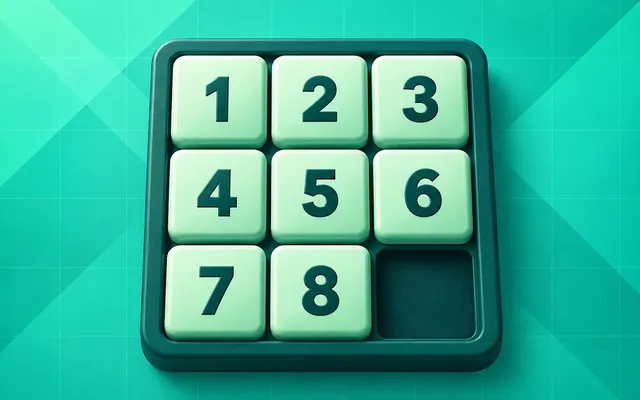 SpatialSliding PuzzlePlay three 3x3 boards by sliding tiles 1 to 8 into order. Lower move totals are better, and every score is compared with the exact 42-move minimum.PlayAbout 2-3 min
 SpatialMental Rotation TestTwo block figures at different angles: same object turned, or mirror images? 18 items.PlayAbout 1-2 min
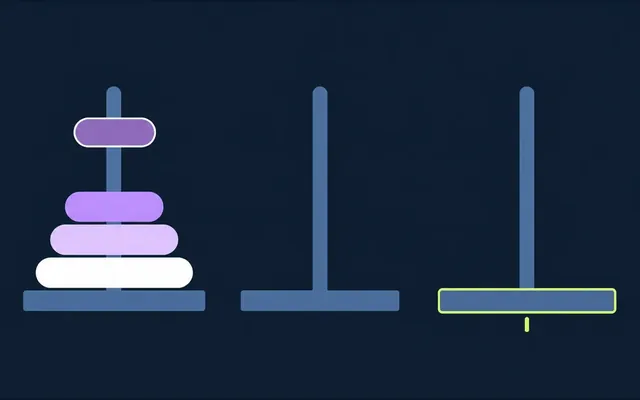 ThinkingTower of HanoiMove four disks to the right-hand peg, then compare your move count with the fixed 15-move shortest route.PlayAbout 1 min
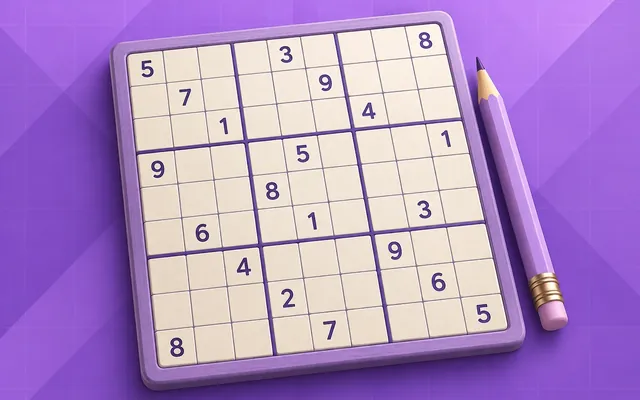 ThinkingSudokuMost of the grid is already filled. Finish the marked cells as fast as you can, and see what the clock says.PlayAbout 1 min
This test is for self-understanding and practice only, not a clinical or intelligence diagnostic tool. It is a non-standardised adaptation of a visible-maze task; its scores cannot be used interchangeably with clinical assessment scores.
Last updated: 2026-10-07 · Scores stay on this device